

Virse introduces four November 25 production utilities converting flat packshots, flat-lay garments, and surface concepts into 3D renders, hollow ghost mannequins, bump maps, and PBR textures.
United States, 27th Nov 2026 – Virse has introduced four commercial product staging, apparel form modeling, and 3D material texture generators released November 19 across its browser canvas, linking photorealistic product studio renders, hollow-neck garment mockups, grayscale surface depth maps, and multi-channel PBR surface assets. Driven by 40+ AI models including 21 hosted image tools, the workflow helps consumer product brands, online clothing stores, and 3D environment artists evaluate physical surface looks and lighting directions directly inside a web workspace prior to commissioning custom studio CGI shoots or full garment sample photography.
Hardware launches and seasonal retail refreshes hit high production budget walls early. Contracting outside CGI studios runs hundreds of dollars per frame while waiting days for shader setups and CAD file clearances across engineering teams. Apparel merchants photographing knitwear or button-down shirts laid flat on studio tables spend hours rigging plastic bust stands or retouching inner collar seams by hand just to create clean dimensional listings. Meanwhile, game environment builders looking for realistic brickwork, weathered oak, or ribbed slate textures run into flat brightness conversion scripts that mistake directional sunlight shadows for surface pits.
Virse moves commercial product rendering, catalog form staging, and multi-channel texture creation onto a single browser board alongside source captures. Teams iterate fast on surface notes. Look-dev leads and store stylists review specular metal sheen, collar fullness, and stone micro-relief side by side on screen without loading heavy shader software or paying for extra cloud rendering queues.
Staging 3D product renders and hollow-neck apparel catalogs
Consumer hardware brands, housewares designers, and industrial prototype reviewers open the 3D product rendering node using a clean product photo, preliminary line drawing, or thorough appearance brief. Naming brushed aluminum, matte ceramic, smoked glass surfaces, directional studio rim angles, and travertine tabletop grounds turns early industrial concepts into crisp commercial packshot visuals ready for pitch decks and store A/B testing. Teams test soft overcast key light beside crisp metallic rim lighting across multiple renders on one board before hiring studio crews. Virse keeps visual concepting cleanly separated from CAD engineering: outputs arrive strictly as flat 2D raster PNG and JPG plates, never producing editable polygon meshes (.obj, .fbx, .glb, .step) or dimensional manufacturing drawings, and hardware engineers check physical button spacing and small embossed brand lettering carefully.
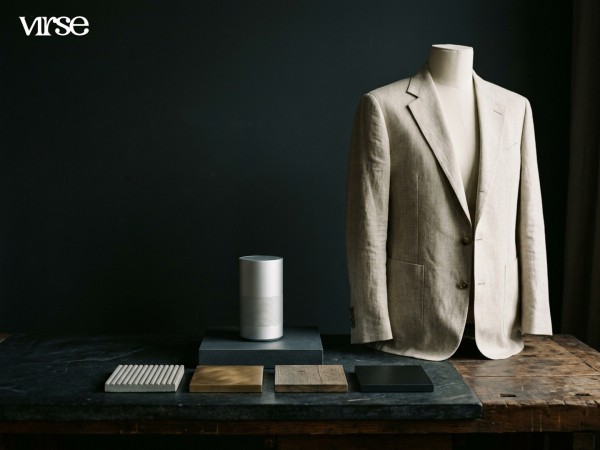
Fashion labels, online apparel merchants, and marketplace stylists turn flat-lay jackets, polo shirts, tailored coats, and woven sweaters into clean dimensional catalog shots inside the AI mannequin generator. Attaching one flat garment or hanger photo renders an invisible hollow-neck ghost mannequin form displaying structured shoulder shape, interior neck-label depth, sleeve volume, and natural fabric drape against clean studio backdrops. Keeping hollow catalog staging separate from Virse’s live human fitting room tool helps apparel teams split clean store product listings from editorial model shoots, while production limits stay clear around physical pattern grading, chest measurement tables, sleeve tolerances, and pocket alignment checks.
“Hardware teams and fashion buyers often wait days or spend hundreds per frame simply to verify brushed metal sheen or collar drape before launch,” said a spokesperson for Virse. “Bringing commercial product renders, ghost mannequin staging, and tactile material mapping onto one board shifts visual sign-off into the browser with exact format clarity.”
Building grayscale bump maps and multi-channel PBR textures
Environment designers, product visualizers, and architectural modelers generate grayscale height maps inside the bump map texture generator. Uploading clean planar material snapshots or specifying carved oak grain, ribbed slate, painted plaster, or concrete mortar joints outputs 8-bit grayscale relief guides where raised peaks stay light and recessed seams drop dark. Virse pairs semantic material inference with straightforward export limits. Output PNG and JPG height maps omit 16-bit and 32-bit EXR displacement depth as well as packaged procedural node archives, asking 3D artists to inspect contrast and test four-edge repetition cleanly inside their scene engines.
Projects requiring full physically based rendering plates step smoothly into the PBR texture generator right beside grayscale height studies. From a single surface photograph or a wear note specifying oxidized brass or brushed steel grain, Virse outputs aligned albedo, normal, roughness, and height raster images distinct from Virse’s six-swatch board extractor. Optical scanning stays outside this visual tool. Because neural synthesis predicts appearance rather than measuring lasers, outputs exclude .sbsar or .mtlx engine graphs and prompt 3D teams to confirm channel alignment, OpenGL/DirectX normal direction, and four-edge tiling inside target engines.
All four 3D staging and material utilities live inside Virse’s Creative Canvas alongside Virse Composer for localized surface revisions, Aesthetic Memory for recurring brand standards, and team Asset Folders so look-dev leads organize verified plates per SKU. Every new account opens with 200 starter compute units and adds 50 daily refill credits whenever remaining balances dip below 200 for 1K static renders across all 21 hosted image generators. Paid plans span Basic (1,000 monthly compute units), Pro (3,000 credits plus unlimited runs on selected fast 1K image models), tiered Max memberships supporting 4K stills and hosted video synthesis, and Business accounts supporting up to 50 team seats where subscription and top-up compute credits stay valid with zero expiration.
About Virse
Virse develops a node-based visual AI canvas designed by machine learning researchers and industrial designers whose collective work holds over 100 international design honors across physical goods and software interfaces. Headquartered in Dover, Delaware, Virse unites 40+ AI image, video, and text engines alongside Virse Composer, Aesthetic Memory, and organized team Asset Folders. Industrial brands, e-commerce sellers, and 3D visualization teams use Virse to evaluate surfaces, product staging, and apparel catalogs inside one browser workspace.
Media Contact
Organization: Virse
Contact Person: Virse Media Relations
Website: https://www.virse.ai/
Email: Send Email
Country: United States
Release id: 51166
View source version on King Newswire:
Virse Launches 3D Product Rendering Ghost Mannequin and PBR Texture Tools
This content is provided by a third-party source. King Newswire makes no warranties or representations in connection with it.