When Can a Foundation Be Repaired, and When Must It Be Rebuilt?
Syracuse, United States – April 15, 2026 / Highlander Waterproofing & Foundation Repair /
For any homeowner, the foundation is the literal and metaphorical bedrock of the house. When that bedrock begins to show signs of distress—cracks, shifting, or bowing—the immediate reaction is often one of high anxiety. The primary question that arises is almost always: “Can this be fixed, or am I looking at a total replacement?”
In the regions we serve across Pennsylvania, New York, and Ohio, foundations face intense environmental pressure from clay soils and dramatic seasonal shifts. At Highlander Waterproofing & Foundation Repair, our mission is to provide an honest, technical assessment of your home’s structural health. Understanding the threshold between a repairable wall and a necessary rebuild is vital for your safety and your financial planning.
Identifying the Threshold for Repair
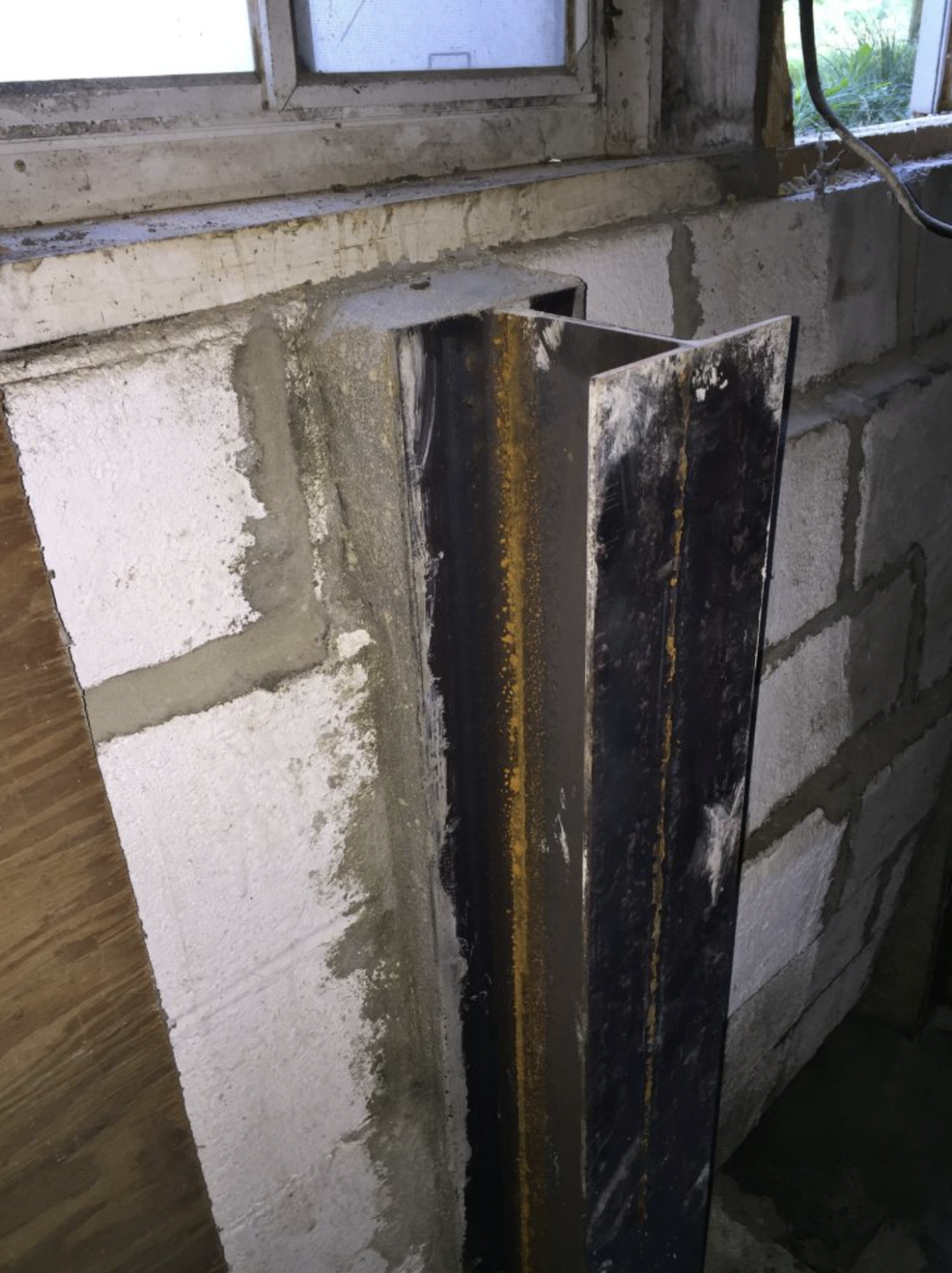
Most foundation issues discovered during a professional inspection fall into the “repairable” category. Modern structural engineering has provided us with tools that can reinforce and even restore a foundation’s integrity without the need for heavy excavation or wall removal. We generally recommend repair solutions when the structural movement is caught early or remains within certain technical parameters.
Signs Your Foundation Can Be Repaired:
- Hairline or Minor Cracks: Small vertical or diagonal cracks are often the result of natural settling and can be addressed with high-pressure epoxy injections.
- Bowing Under Two Inches: If a basement wall is leaning or bowing inward by less than two inches, it can typically be stabilized using carbon fiber straps or wall anchors.
- Localized Settling: If only one corner of the home is sinking, piering systems can be used to “jack” that specific section back to its original height.
The Point of No Return: When a Rebuild is Mandatory
While we always strive to save the existing structure, there are scenarios where the masonry has simply reached the end of its functional life. A foundation rebuild involves temporary shoring—supporting the weight of the house on heavy steel beams—while the old walls are removed and replaced with new, reinforced concrete blocks or poured concrete.
1. Severe Structural Shearing
Shearing occurs when the bottom block of a wall is pushed inward by the soil, sliding off the footer. When the connection between the wall and the footer is completely severed, the wall loses its ability to support the weight of the house. In these cases, stabilization is no longer a safe option.
2. Significant Wall Deflection (Over 3-4 Inches)
Once a wall bows inward beyond three or four inches, the center of gravity has shifted so far that the structural integrity is compromised. At this stage, the lateral pressure from the outside soil is too great for anchors or straps to safely pull back. Rebuilding is the only way to ensure the house remains level and secure.
3. Crumbling Masonry and “Spalling”
In many older homes across the Tri-State area, foundations were built with stone or older, unreinforced concrete. Over decades, water saturation can cause the material itself to disintegrate—a process called spalling. If the blocks are soft enough to crumble with a touch, there is no solid material left for a repair system to grip onto.
The Highlander Rebuild Process: Safety and Precision
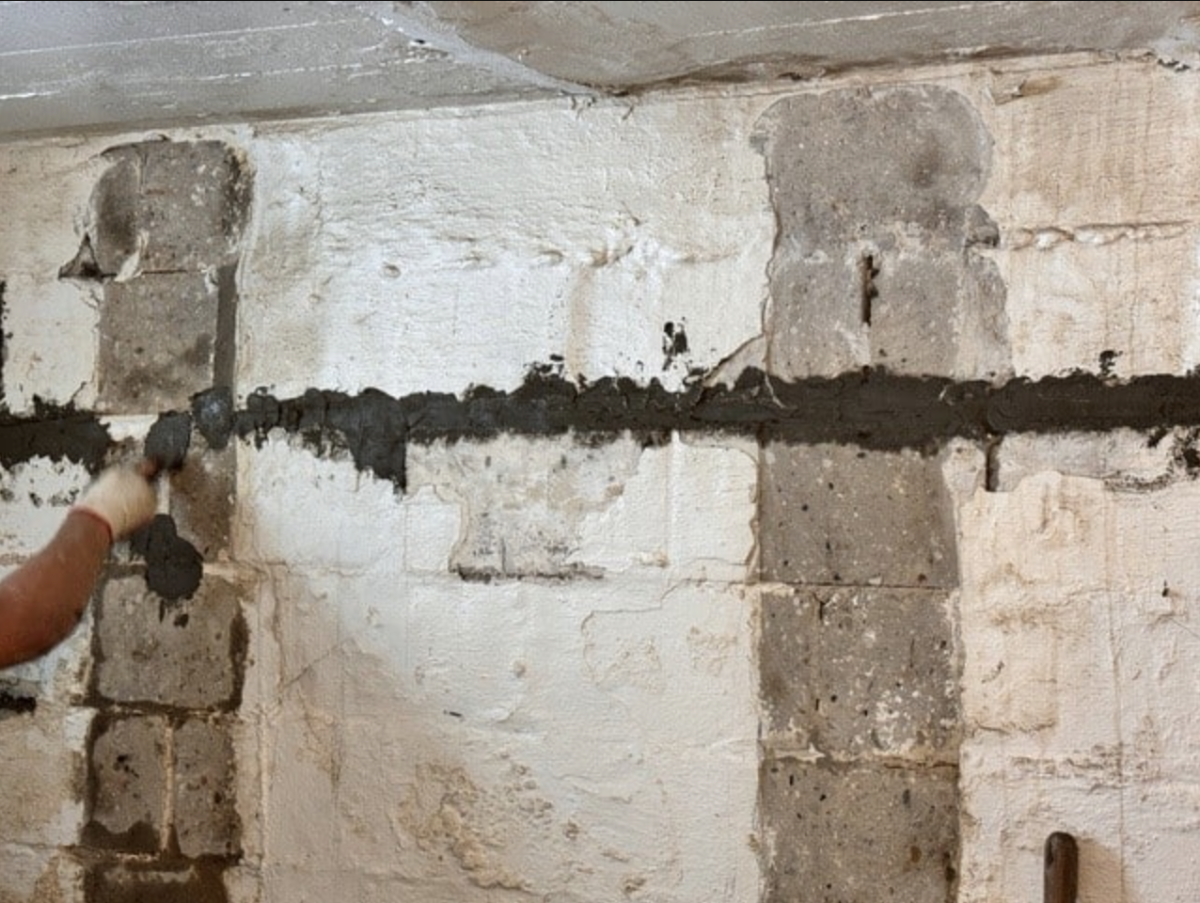
A foundation rebuild is a major undertaking that requires surgical precision. Our process begins with an engineering review. We then install temporary support columns to hold the weight of your home. Once the house is secure, we excavate the exterior soil, remove the failing sections of the wall, and construct a brand-new, waterproofed foundation.
This process not only restores the structural safety of the home but also provides a “clean slate” for waterproofing. New walls allow us to install modern exterior drainage systems and premium sealants that were not available when the house was originally built.
Frequently Asked Questions
Is it safe to stay in my home during a foundation rebuild?
Yes, in the vast majority of cases. We use advanced shoring techniques to support the home’s weight, allowing the occupants to remain inside. However, you may experience some noise and vibration during the excavation and masonry phases.
How much more expensive is a rebuild than a repair?
A full rebuild is a significantly larger investment, often costing three to four times more than a stabilization project. This is due to the labor, heavy machinery, and materials required. This is why we emphasize early detection—catching a bow at one inch can save you tens of thousands of dollars compared to waiting until it reaches five inches.
Will a rebuild fix my wet basement?
Absolutely. Because a rebuild involves full exterior excavation, we are able to install a complete, modern waterproofing system from the outside. This includes new footer tiles, gravel backfill, and high-performance vapor barriers, ensuring your new basement is as dry as it is strong.
Get an Honest Opinion from the Experts
The difference between a repair and a rebuild is often a matter of inches. Don’t leave your home’s safety to guesswork. Whether you’ve noticed a new crack or your walls have been leaning for years, the team at Highlander Waterproofing & Foundation Repair provides the technical expertise you need to make an informed decision.
Protect your investment before the damage worsens. Contact Highlander today for a free, professional foundation assessment. We will give you a clear, honest look at what your home needs.


Contact Information:
Highlander Waterproofing & Foundation Repair
404 Oak Street #264
Syracuse, NY 13203
United States
Giulio Bevilacqua
(877) 415-0564
https://highlanderwaterproofing.com/