New syndrome: “Tired and Wired”
SANTA BARBARA, CA, UNITED STATES, April 21, 2026 /EINPresswire.com/ — New research is intensifying concerns about the health effects of modern indoor living, with a 2025 study in JAMA Network Open linking nighttime light exposure to increased cardiovascular risk. At the same time, a 2026 analysis in BMJ Medicine confirms that even modest daily walking significantly reduces all-cause mortality.
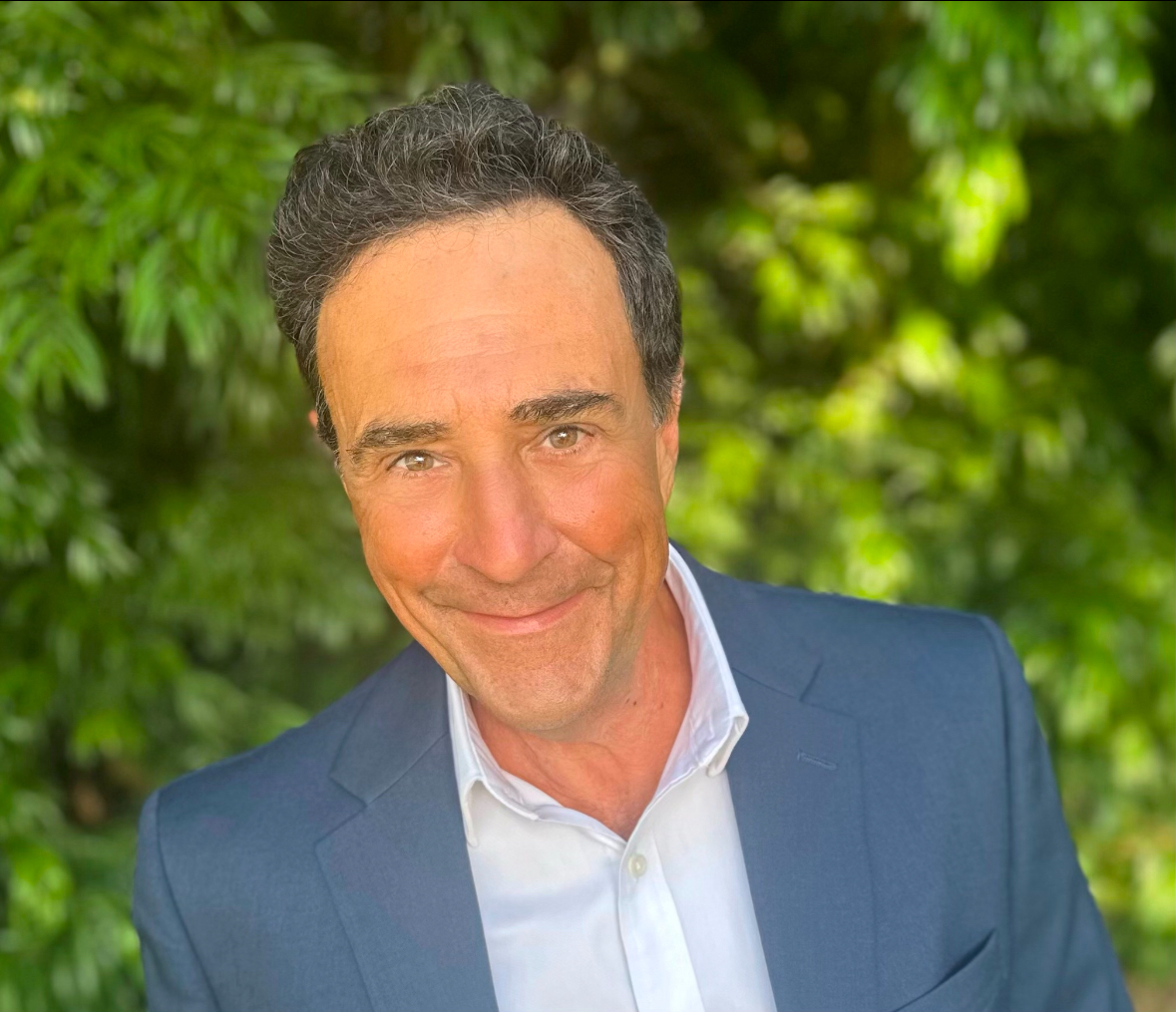
Against this backdrop, physician and author John La Puma, M.D., is naming a pattern he says is increasingly seen in clinical practice: “Tired and Wired,” a circadian disruption syndrome driven by insufficient natural light and air exposure and excessive indoor time.
In a newly released TEDx Santa Barbara talk, La Puma outlines a specific intervention—the “7% Outdoor Rx”—a minimum effective dose of 17 minutes of daily outdoor exposure aligned with circadian biology. He offers practical tools designed to improve sleep, focus, cardiovascular risk and healthspan.
Watch the talk: https://youtu.be/jv3d7myOxO0?si=cSUIQmfLmpDSvSfv
Learn more: https://indoorepidemic.com
“Every clinician sees patients with fatigue, poor sleep, cognitive decline and nighttime waking, but standard labs are normal,” said La Puma. “There’s a mismatch between the body’s requirements and the indoor environments where people now spend roughly 93% of their lives.”
Recent findings reinforce the biological basis:
A 2025 study (Windred et al.) found nighttime light exposure associated with elevated cardiovascular risk
A 2026 study (Han et al.) showed daily walking significantly lowers all-cause mortality
Research on reward pathways suggests excessive screen exposure may contribute to “digital obesity” patterns affecting dopamine regulation
La Puma argues these factors converge into a single, behaviorally driven syndrome with a common mechanism. Too little and mistimed daylight, excessive artificial light, and insufficient time spent in green or blue spaces create circadian misalignment and impact safety, performance, long-term health and longevity.
The proposed intervention is deliberately simple but specific:
Morning outdoor light within one hour of waking
Minimum 17 minutes of unfiltered outdoor exposure daily
Intentional use of natural environments rather than incidental exposure
In a 2025 continuing medical education program co-taught by La Puma and accredited by the David Geffen School of Medicine at UCLA, physicians participating in a six-hour outdoor immersion saw average reductions in blood pressure of 10.3% systolic and 8.0% diastolic.
“The issue isn’t just screen time or stress in isolation,” La Puma said. “It’s an environmental deficiency: without the outdoor environment and its timed light, air and movement inputs, the physiology is misaligned.”
La Puma expands on the model in his book, Indoor Epidemic: 93% Inside Steals Sleep, Focus & Years — The 7% Outdoor Rx Restores Them (March 2026), already the Amazon #1 New Release in Sleep Medicine and Preventive Medicine.
Media Contact:
media@drjohnlapuma.com
Kandi Amelon
John La Puma, M.D.
media@drjohnlapuma.com
Visit us on social media:
LinkedIn
Instagram
YouTube
Longer by Nature: The Science and Soul of Living Well
Legal Disclaimer:
EIN Presswire provides this news content “as is” without warranty of any kind. We do not accept any responsibility or liability
for the accuracy, content, images, videos, licenses, completeness, legality, or reliability of the information contained in this
article. If you have any complaints or copyright issues related to this article, kindly contact the author above.

Media gallery