
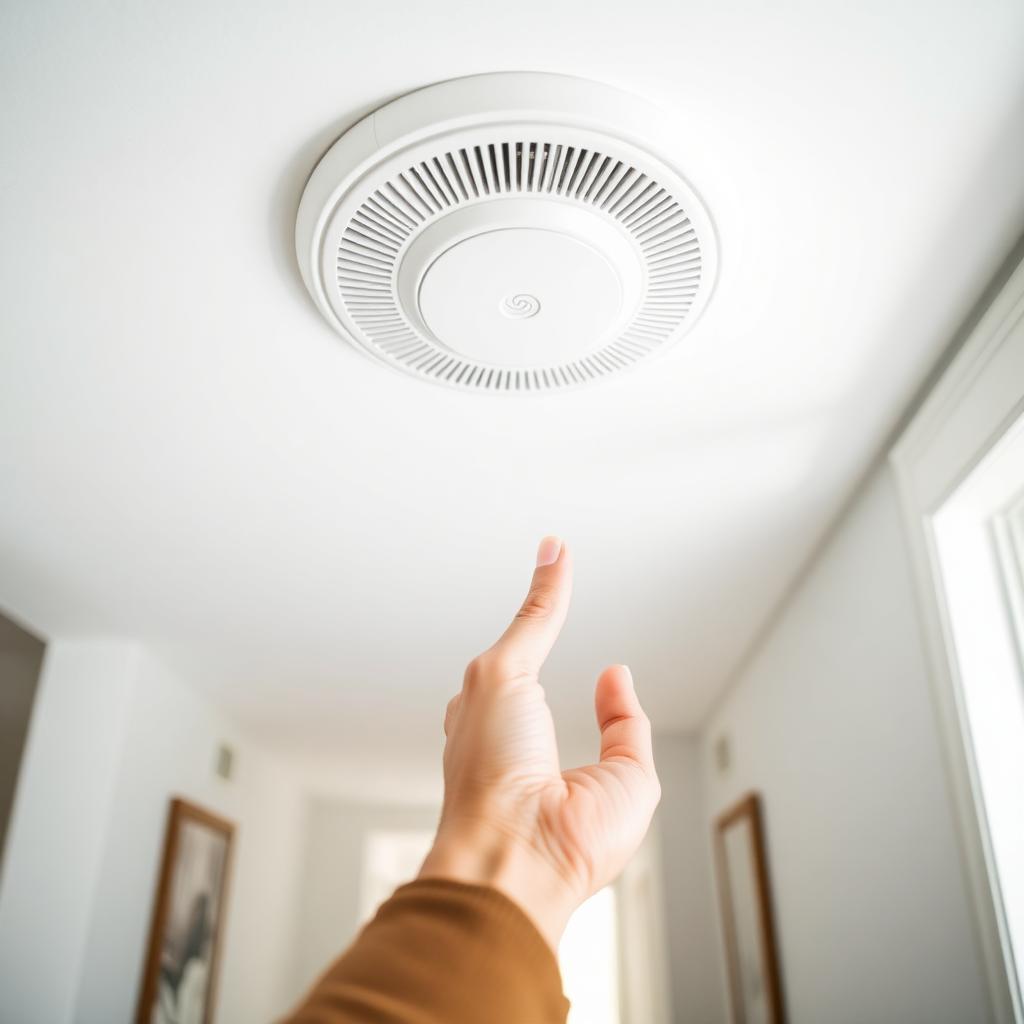
CHARLOTTE, NC – X-Sense highlights the growing need for whole-home protection as fire behavior in modern households becomes increasingly unpredictable.
Smoke alarms are among the simplest safety devices in a home. They are affordable, easy to overlook, and usually silent. That silence can create a false sense of security. Many homeowners assume that once an alarm is installed, the job is complete.
It is not.
A smoke alarm only helps when it is placed correctly, tested regularly, powered properly, and replaced when needed. Small mistakes can leave gaps in protection without anyone noticing. Some are caused by busy routines. Others happen because homeowners are trying to stop nuisance alarms or avoid maintenance.
Understanding the most common mistakes can help households build a safer and more reliable fire-safety routine.
Mistake One: Assuming One Alarm Covers the Whole Home
A single smoke alarm may not be enough, especially in a larger home or a property with more than one floor. An alarm in a downstairs hallway may be difficult to hear from an upstairs bedroom. Closed doors, household noise, and distance can all reduce how clearly an alert is heard.
Smoke alarms should be placed inside bedrooms, outside sleeping areas, and on every level of the home, including the basement where applicable. The exact layout will depend on the property, local requirements, and manufacturer instructions.
This is particularly important after a renovation or house move. A converted loft, added bedroom, basement office, or garage conversion can change the safety needs of the property. Homeowners should review their alarm coverage whenever the layout or use of rooms changes.
Mistake Two: Installing Alarms in the Wrong Place
Placement can affect how well an alarm performs. Smoke rises, so alarms are commonly installed on ceilings or high on walls. However, placing one too close to a stove, bathroom, window, fan, or air vent can lead to unwanted alerts or reduce effectiveness.
Cooking smoke and steam are common reasons people become frustrated with alarms. The wrong response is to remove the battery or take the alarm down. That leaves the home without protection.
A better approach is to follow installation guidance, use the hush function where available, ventilate the room, and review whether the alarm is positioned appropriately. In some situations, moving the device a suitable distance away may help reduce nuisance alarms while keeping protection in place.
Mistake Three: Removing the Battery to Stop a Chirp
A low-battery chirp can be annoying, especially when it happens at night. Some people remove the battery to stop the sound and plan to replace it later. The problem is that “later” can become days, weeks, or months.
An alarm with a missing or dead battery cannot provide a warning during a fire. This is one of the most avoidable mistakes homeowners make.
When a low-battery alert begins, the battery should be replaced promptly with the type recommended by the manufacturer. For sealed long-life battery models, a chirp or fault alert may indicate that the device needs attention or replacement.
Every household should treat low-battery warnings as a safety task, not a minor inconvenience.
Mistake Four: Forgetting to Test Alarms
A smoke alarm can look normal while not working as expected. Dust, damage, battery failure, age, and installation issues can all affect performance.
Testing should become part of the household routine. The test button gives homeowners a quick way to check that the alarm can sound. It also gives family members a chance to recognise what the alert sounds like.
Testing is especially important after a long holiday, home renovation, battery replacement, or power outage. It is also helpful to make sure every person in the home can hear the alarm from sleeping areas.
For homes with children, older adults, or people with hearing difficulties, households may need to consider additional alerting options such as interconnected alarms, flashing lights, or compatible accessibility devices.
Mistake Five: Keeping an Alarm Beyond Its Service Life
Smoke alarms do not last forever. A device may still appear to work when the test button is pressed, but that does not mean it should remain in place indefinitely.
Many alarms should be replaced after 10 years, though homeowners should always check the manufacturer’s instructions and the date shown on the device. Writing the installation date inside a cupboard door, in a phone reminder, or on a household maintenance list can make this easier to track.
It is also worth replacing alarms that are damaged, heavily painted over, cracked, contaminated by dust, or repeatedly malfunctioning.
Ignoring an end-of-life date is easy because alarms are usually out of sight. But this small detail can affect whether the device is ready when it is needed.
Mistake Six: Not Using Interconnection in Larger Homes
In a small flat, one alarm may be heard throughout the property. In a larger house, this is less likely. A fire starting in a garage, basement, utility room, or kitchen may not wake someone sleeping on another floor.
Interconnected alarms can help close that gap. When one compatible alarm detects smoke, connected devices can sound together throughout the home. This can give people more time to react and can be especially useful for homes with several floors or separate sleeping areas.
The X-SENSE XS0B-MR smart smoke detector is one example of a connected alarm designed for wider household coverage. It works with the SBS50 Base Station and supports app alerts, voice notifications with room location, testing through the app, and compatible device interconnection.
Technology can improve awareness, but it should support basic safety habits rather than replace them. Regular testing, sensible placement, and a clear escape plan remain essential.
Mistake Seven: Having No Escape Plan
A smoke alarm gives a warning. It does not tell people where to go after that warning sounds.
Every home should have a simple escape plan. Family members should know at least two ways out of rooms where possible, agree on a meeting point outside, and understand that they should get out and stay out during a fire.
Children should know that an alarm sound means they need to leave quickly. Overnight guests should also be shown the main exit route, especially in unfamiliar homes.
A few minutes spent discussing the plan can make a major difference during an emergency.
Small Changes Can Improve Protection
The most common smoke alarm mistakes are not difficult to fix. They often come down to a few practical habits: install enough alarms, place them carefully, test them regularly, replace batteries or devices when needed, and never disable an alarm to avoid a nuisance sound.
A working smoke alarm remains one of the simplest ways to support home fire safety. The key is making sure it is ready to work when the household needs it most.
About X-SENSE Innovations
Founded in 2013, X-SENSE Innovations operates from its registered U.S. address at X-SENSE USA LLC, 1209 Orange St, Wilmington, DE 19801, and specializes in developing certified home fire and safety solutions for both residential and commercial environments. The company focuses on producing professional and user-friendly safety devices, including domestic fire alarms such as smoke, carbon monoxide, and heat alarms, as well as smart home safety systems covering fire protection, intrusion detection, and indoor environment monitoring.
More information is available at www.x-sense.com.
Official company social media profiles: Facebook and Instagram.
Media Detail
Contact Person Name: Farrukh
Company Name: X-Sense
Email: service@x-sense.com
Website: https://www.x-sense.com/
Phone: +1 (833) 952-1880


