
Key Takeaways
- Panic attacks in teens come in three primary forms: unexpected, situational, and nocturnal – each with its own triggers, warning signs, and patterns.
- All three types share common symptoms like a racing heart, chest pain, dizziness, and an intense sense of fear or doom.
- Identifying the specific type a teen is experiencing is the critical first step… because each type responds best to a different treatment approach.
- With the right, age-specific care, most adolescents can significantly reduce both the frequency and intensity of their panic attacks.
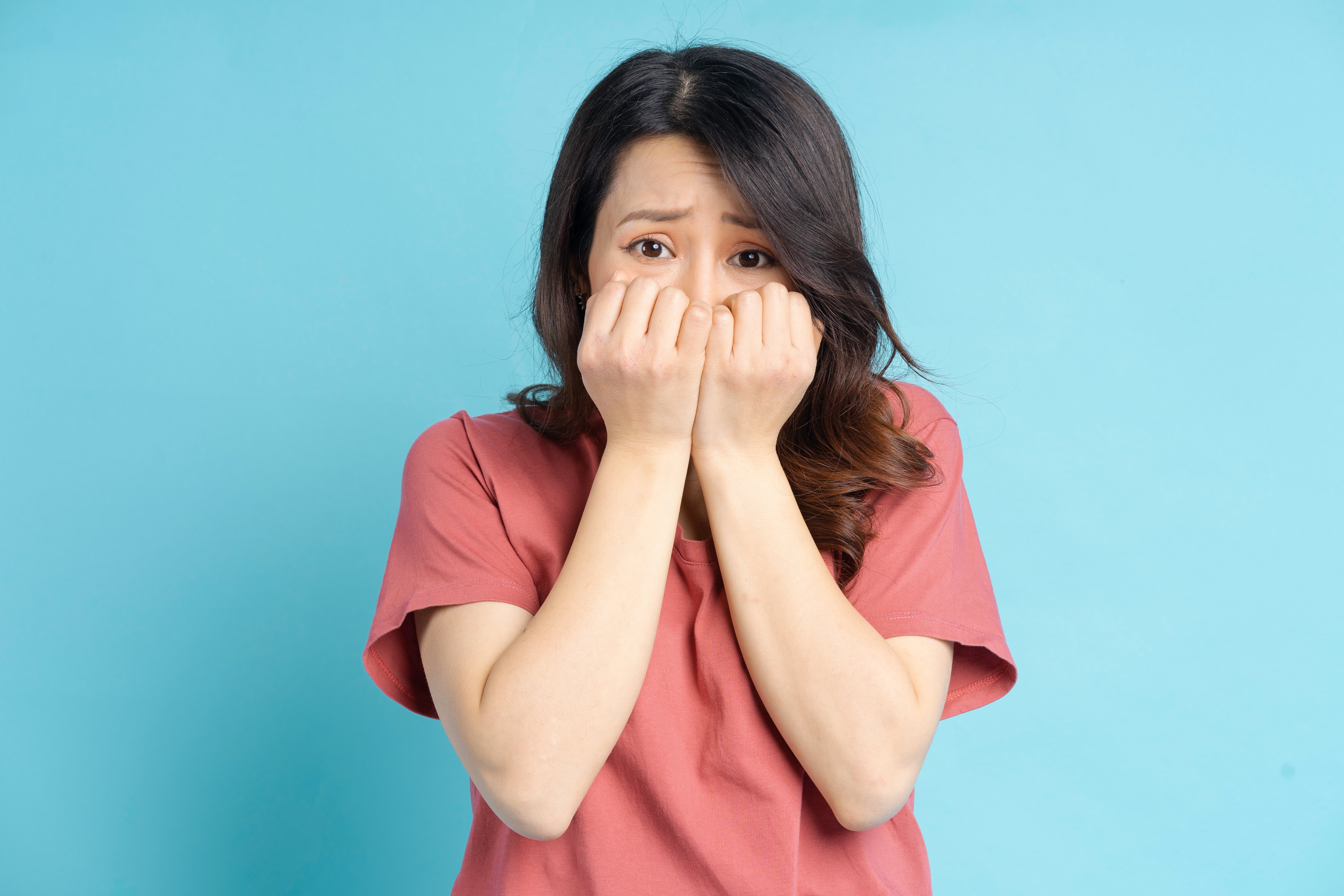
When a teenager has a panic attack, it can look like a medical emergency. Their heart pounds, they can’t catch their breath, and they’re convinced something is terribly wrong. For parents watching this happen, it’s frightening and confusing — and the first question is usually what caused it, and what can actually help.
The answers depend heavily on which type of panic attack a teen is experiencing. Panic attacks aren’t a single, one-size-fits-all event. They fall into three distinct categories: unexpected, situational, and nocturnal. Each one follows a different pattern, arrives under different circumstances, and responds to different treatment strategies.
Understanding this distinction is what turns a scary, mysterious experience into something manageable… and even treatable.
Unexpected Panic Attacks: No Warning, No Trigger
Unexpected panic attacks (also called spontaneous or uncued attacks) are exactly what the name suggests: they arrive with zero warning and no identifiable cause. A teen can be sitting in class, relaxing at home, or even sleeping, and suddenly their body’s alarm system fires at full intensity. No threat. No build-up. Just an overwhelming wave of fear and physical symptoms that seems to come from nowhere.
This unpredictability is what makes unexpected attacks particularly hard on adolescents. Not knowing when the next one might happen creates a constant background hum of worry. Over time, many teens start altering their routines (avoiding certain places, activities, or situations) not because those things are dangerous, but because they want to be somewhere familiar if an attack strikes.
Physical & Mental Symptoms
The physical symptoms of an unexpected panic attack can feel overwhelming – and because they appear without context, they often mimic a serious medical event. Common physical symptoms include:
- Racing or pounding heartbeat
- Chest pain or tightness
- Shortness of breath
- Dizziness or lightheadedness
- Trembling or shaking
- Sweating, hot flashes, or sudden chills
- Nausea or stomach distress
- Tingling or numbness in the hands or feet
Most of these physical sensations peak within minutes, then gradually ease – but in the middle of an episode, that timeline feels impossible to trust. On the psychological side, teens typically report an intense sense of doom or dread, a fear of losing control, or even a fear of dying. These thoughts feel completely real in the moment, even when no actual danger is present. The combination of overwhelming physical sensations with terrifying mental experiences is what makes these attacks so distressing; especially for adolescents who may not yet have the words or perspective to make sense of what’s happening.
The Fear-of-Fear Cycle
One of the most clinically significant consequences of unexpected panic attacks is what’s known as the fear-of-fear cycle. After experiencing an attack, many teens develop a persistent anxiety about having another attack. This anticipatory fear can itself become a trigger, raising the body’s baseline arousal level and actually making future attacks more likely.
The cycle tends to compound over time. A teen who fears another attack starts monitoring their own body obsessively – noticing a slightly elevated heart rate, a moment of dizziness, or a flicker of chest tightness. Each of these normal bodily sensations gets interpreted as a threat, which activates the stress response, which produces more physical symptoms, which increases fear. Breaking this cycle is a core goal of treatment, and it requires specific therapeutic techniques… not just reassurance or avoidance.
Situational Panic Attacks: When Triggers Take Over
Situational panic attacks (also called cued panic attacks) are directly linked to a specific trigger or situation. Unlike unexpected attacks, these episodes are predictable: they happen either during exposure to the trigger or in anticipation of it. For some teens, the trigger is obvious, like having to speak in front of a class. For others, it’s subtler; a crowded hallway, a social gathering, or even just the thought of a situation that previously caused distress.
Because the trigger is identifiable, situational panic attacks can seem easier to manage at first glance. But the anticipatory nature of these attacks creates its own serious problem: the anxiety doesn’t start when the trigger appears. It can build for hours (sometimes days) before the actual encounter.
Common Teen Triggers
Adolescence is full of high-pressure situations, which means the pool of potential triggers is wide. Common situational panic triggers for teens include:
- Academic performance pressure — tests, presentations, or class participation
- Social situations — parties, dating, navigating peer dynamics
- Performance contexts — sports competitions, auditions, recitals
- Crowded or enclosed spaces — hallways, buses, shopping malls
- Specific phobias — heights, medical settings, driving
For teens who’ve had a panic attack in one of these contexts, even the anticipation of re-entering that situation can be enough to start the anxiety spiral. The body learns to associate the trigger with danger… and responds accordingly, long before any actual exposure takes place.
How Avoidance Makes It Worse
The most instinctive response to a situational trigger is avoidance – and in the short term, it works. Skipping the school presentation, turning down a party invite, or choosing a different route means no panic attack. The relief is immediate and real.
But avoidance is a trap. Every time a teen sidesteps a trigger, their brain receives a powerful message: that situation was dangerous, and avoiding it kept you safe. This reinforces the anxiety rather than reducing it. Over time, the list of avoided situations grows, freedom shrinks, and the panic disorder becomes more entrenched. This is why treatment for situational panic attacks directly (and deliberately) addresses avoidance behaviors, rather than working around them.
Nocturnal Panic Attacks: Waking from Sleep in Terror
Nocturnal panic attacks are often less commonly discussed than daytime attacks, and can be particularly alarming for both teens and their parents. These attacks occur during sleep – not because of a nightmare or frightening dream, but because the body’s alarm system activates inappropriately during a transition between sleep stages. The teen wakes suddenly, heart pounding, drenched in sweat, with an overwhelming feeling of terror… and no dream to blame it on.
This distinction matters. Nightmares are driven by dream content. Nocturnal panic attacks are a physiological event: the same internal alarm that fires during a daytime unexpected attack fires mid-sleep. The experience is identical to a daytime panic attack, except the starting point is unconscious rest.
Why They Feel More Intense
Nocturnal attacks most commonly occur during the transition from stage 2 to stage 3 sleep – roughly 2 to 3 hours after falling asleep. When the alarm fires during this phase, the teen goes from deep rest to a state of extreme arousal in seconds. There’s no gradual build-up, no conscious awareness that anything was wrong. The body simply launches from calm to crisis.
This instantaneous transition amplifies the perceived intensity of every symptom. Severe heart palpitations, sweating, chest discomfort, trembling, and a powerful sense of doom or fear of dying all hit at once. The disorientation of being half-asleep while experiencing these sensations adds another layer of distress; many teens describe a feeling of unreality, as though they can’t fully process what’s happening.
The Sleep-Anxiety Spiral
The impact of nocturnal panic attacks doesn’t stay contained to nighttime. After experiencing even one nighttime episode, many adolescents develop sleep anxiety – a fear of going to sleep because they’re worried another attack will strike while they’re unconscious. This fear leads to sleep avoidance, difficulty falling asleep, and frequent middle-of-the-night wakefulness.
The consequences compound quickly. Chronic sleep deprivation worsens anxiety, lowers the nervous system’s resilience, and raises the likelihood of panic attacks – both at night and during the day. More attacks lead to more sleep disruption, which drives more anxiety, which produces more attacks. This spiral makes treatment for nocturnal panic distinctly different from the other two types: sleep itself becomes part of the therapeutic target, not just the panic symptoms.
Why Identifying the Type Matters
Panic attacks in teenagers are treatable. Yet, treatment works best when it’s matched to the specific type of panic a teen is experiencing. Unexpected attacks require interoceptive work and CBT to break the fear-of-fear cycle. Situational attacks need gradual exposure and trigger mapping. Nocturnal attacks call for an integrated approach that addresses both panic physiology and sleep disruption. Applying the wrong strategy (or a generic one) to any of these types produces limited results at best.
This is why the diagnostic step matters so much. A teen who wakes from sleep in terror needs a different clinical conversation than one who shuts down before a class presentation. The symptoms may overlap, but the patterns are distinct… and those patterns point directly to the most effective path forward.
For parents working through this, panic attacks are not a mystery to simply endure. They’re recognizable, categorizable events with a biological basis, identifiable patterns, and evidence-backed treatments — and identifying which type a teen is dealing with is often the clearest path to effective, targeted care.
Mission Prep
30310 Rancho Viejo Rd.
San Juan Capistrano
California
92675
United States


