ONPOW separates GQ19 push buttons from GQ signal lamps for North American equipment projects, covering configuration, documents, and samples.
YUEQING, ZHEJIANG, CHINA, October 19, 2026 /EINPresswire.com/ — For a North American equipment project, the required document needs to match the component being ordered. A company name or button series can be too broad when the selected action, illumination and connection differ between versions. ONPOW’s company profile, certification entry and metal button category provide places to begin that research.
The GQ19 button and GQ signal lamp images introduce two product families for a panel inquiry. They perform different jobs even when their visible appearance is coordinated. For buyers following North American electronics exhibition research, the practical next step is to identify each proposed version and request the relevant information. The quotation, sample and drawing should describe the same product before a document is used to support the component decision.
Identifying the Full Button Configuration
For a GQ19 inquiry, identify the operating action, illumination, contacts and connection requirements relevant to the project. Ask ONPOW to name the exact version and provide the information that applies to it. That complete description is more useful to engineering and purchasing than a series reference alone, because it establishes the component being reviewed.
That configuration should remain consistent across the quotation, sample and purchase order. If engineering reviews one option and purchasing orders another, a familiar product image may hide the difference. A controlled part record helps the project identify the accepted version and compare any later alternative without assuming equivalence from appearance.
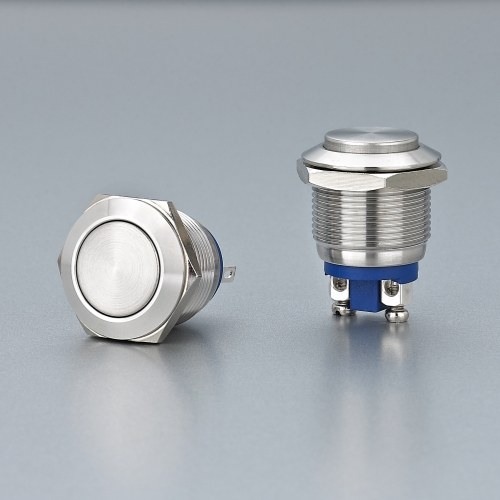
GQ19 series metal push buttons.
Checking the Scope of the Required Documents
ONPOW’s certification entry is an appropriate place to begin researching available documents. It is not a substitute for checking which document applies to the proposed product. The customer should identify the relevant scope, product designation and conditions, then retain the information with the component record.
A supplier’s published company history may include milestones associated with product approvals. Such history explains the business development, but it does not prove that every current button or signal lamp is covered by the same approval. The buyer should request current information for the actual model offered when an approval is required by the project.
The complete equipment may also have requirements that extend beyond the component. The responsible manufacturer should distinguish the button’s documentation from the machine’s own review. This prevents a component approval or a company management certificate from becoming an unsupported statement about the whole equipment supplied to a market.
Keeping Lamp and Button Requirements Separate
A GQ signal lamp serves a different function from the GQ19 button: it communicates a state rather than issues a command. Define the condition it represents and confirm the relevant electrical and installation information. The front design can be coordinated with the button while the two components retain their separate descriptions and document requirements.
A combined panel can be reviewed using one layout while keeping each component’s configuration separate. The button record describes the action and contacts; the lamp record describes the indication and relevant electrical requirements. This allows purchasing to coordinate appearance without overlooking different functional or documentation needs.
A sample review can compare the products with the panel drawing and accepted signal meaning. If a replacement or alternative is proposed, check the characteristics that the original selection relied on. Similar visible construction should not be used as the only reason to approve a new button or lamp in an established equipment design.
A useful document check can begin with the proposed purchase description and work outward. Confirm that the drawing and sample identify the same product, then check which required documents apply to it. If the supplier offers an alternate configuration, ask whether the supporting information changes. This is particularly useful when an equipment family uses several similar controls but only one version has been assessed. The customer can preserve a clear approval record for each position and avoid transferring a document from one component to another simply because their front appearance is coordinated. The review remains tied to the ordered product throughout the project.
GQ series signal lamps.
Company Information and Product Information
ONPOW’s official profile dates the company to October 4, 1988. It lists approximately 40 button series and more than 1,500 production molds. These figures introduce the manufacturer’s focus and range. They do not establish the current approval status of every version, so a project with specific document requirements should move from company research to the actual component description.
The proposed purchase description is a useful starting point. Identify the action, contacts, illumination and connection details relevant to the ordered button. Then check that the drawing and sample use the same designation. A familiar series name can otherwise conceal a difference between the version engineering reviewed and the version purchasing intends to buy.
Ask which documents apply to that product. The relevant scope and any conditions need to be understood, not merely the presence of a certificate on a company page. A management-system document describes a different subject from a product approval. A historical company milestone associated with an approval also does not establish that all current products are covered.
Where the project uses both a button and a signal lamp, keep their requirements distinct. The button issues a command and the lamp communicates a state. Their electrical information and installation details should be checked for their separate roles, even if the front design is coordinated. One component’s information should not be carried across to the other by appearance alone.
Retain the accepted product description with the documents used in the review. If ONPOW proposes another version later, ask whether the supporting information changes. This helps the equipment team assess a substitution without assuming that the earlier decision automatically covers every related model.
For example, an equipment range may use several similar-looking buttons while only one version has been reviewed for a particular application. Identify that version precisely and connect its drawing and required documents to the intended position. If another option is proposed, confirm whether the earlier information covers it before approval. This prevents a coordinated front appearance from concealing a change in the component description and keeps the sourcing decision tied to the product that will actually be ordered.
Confirming the Version Before Requesting Changes
A customization brief should make the existing requirements visible. State the operating action, panel arrangement and documents the project needs, then identify the requested change. ONPOW’s OEM and ODM route can be used to discuss the gap. The fact that an appearance or connection change is possible does not establish that all earlier product information still applies to the changed version.
For a special marking or finish, provide a clear reference and explain whether the rest of the component should remain unchanged. For lighting, define the state it communicates and the relevant electrical requirement. These details help the supplier identify the complete proposal rather than respond only to the visible part of the request.
Review the sample and supporting information together. A sample can answer fit and appearance questions, while drawings and relevant documents answer others. If one item refers to another version or revision, resolve that difference before approving the purchase description. A neat front design should not obscure an unresolved documentation question.
The final order should identify the accepted configuration and any agreed change. The responsible equipment manufacturer still needs to review the complete machine against its own requirements. The component information supports that work; it does not turn a company certificate or a button approval into a claim about the entire product supplied to the market.
A Clear Link Between the Component and Its Documents
ONPOW’s public resources give buyers a starting place for company and product research. Their usefulness increases when the inquiry names the actual application and version. A response that links the proposed component to its drawing and relevant documents lets the engineering team review something specific rather than rely on a general approval statement.
For a North American sourcing project, that clarity is the main objective. A sample can be assessed with the same description that appears in the quotation and order. If an option changes, the team knows which information to revisit. The process supports a precise component decision without claiming that supplier background settles the requirements of the complete equipment.
Frequently Asked Questions
What documents are useful when comparing button suppliers?
Request the proposed model’s drawing and configuration information, together with any documents required by the project. Check that the sample and quotation refer to the same component before approving the selection.
Why is a series name sometimes insufficient?
A family may contain different configurations. The ordered model and options should be identified so that the quotation, sample and supporting documents refer to the same component.
Can a company certification page prove every product is approved?
No. Review the scope and product identification of the relevant document. A page entry is a starting point for research, not blanket evidence for every model.
What should be checked when an approval is required?
Request information for the actual proposed model, including applicable scope and conditions. Retain it with the component record and the accepted drawing or sample.
Does component documentation establish complete equipment compliance?
Not on its own. The responsible equipment manufacturer must assess the complete product under the relevant market and application requirements.
Why keep a button and lamp record separate?
They have different functions and may require different information. Coordinated appearance does not make their electrical, indication or document requirements identical.
How should an alternative product be reviewed?
Compare it with the accepted function, mounting, electrical information and documentation requirements. Repeat the checks affected by the change instead of relying on visual similarity.
What should be sent to ONPOW?
Provide the intended market and application, panel drawing, component function, required documents, quantity and configuration details. Ask for a response tied to an identifiable model.
Ask ONPOW for the Documents Your Project Requires
Provide the product family, application and document requirements when contacting ONPOW. Ask for the exact version offered and the information that applies to it. Check the quotation, drawing and sample together before transferring the description into the order. For any proposed alternative or custom change, confirm whether the relevant documents differ and keep the final decision with the equipment’s component records.
Contact ONPOW to discuss your project
Sources and Further Reading
ONPOW company history
ONPOW certification information
Metal push button product category
Contact ONPOW
Website: https://onpowbutton.com. Email: sales@onpow.com.
ONPOW
ONPOW
+86 577 6262 8788
sales@onpow.com
Legal Disclaimer:
EIN Presswire provides this news content “as is” without warranty of any kind. We do not accept any responsibility or liability
for the accuracy, content, images, videos, licenses, completeness, legality, or reliability of the information contained in this
article. If you have any complaints or copyright issues related to this article, kindly contact the author above.

Media gallery