
DENTON, TX – October 27, 2026 – PRESSADVANTAGE –
Imperial Plumbing has expanded its trenchless sewer repair services for residential and commercial properties, offering additional options to address damaged sewer lines without the extensive excavation required by conventional repair methods. The expansion includes pipe bursting and cured-in-place pipe lining, two techniques used to rehabilitate or replace underground sewer pipes while limiting disruption to surrounding property features. The development comes as property owners prepare for the holiday season and cooler weather, when maintaining reliable plumbing systems can be an important part of seasonal property maintenance.
Imperial Plumbing’s trenchless sewer repair services offer options for addressing underground sewer line problems while reducing the need to excavate lawns, remove landscaping, or disturb paved surfaces. The service outlines approaches for repairing sewer infrastructure with less surface disruption than many traditional excavation-based methods. The expansion represents continued development of an existing service rather than the introduction of an entirely new plumbing offering.
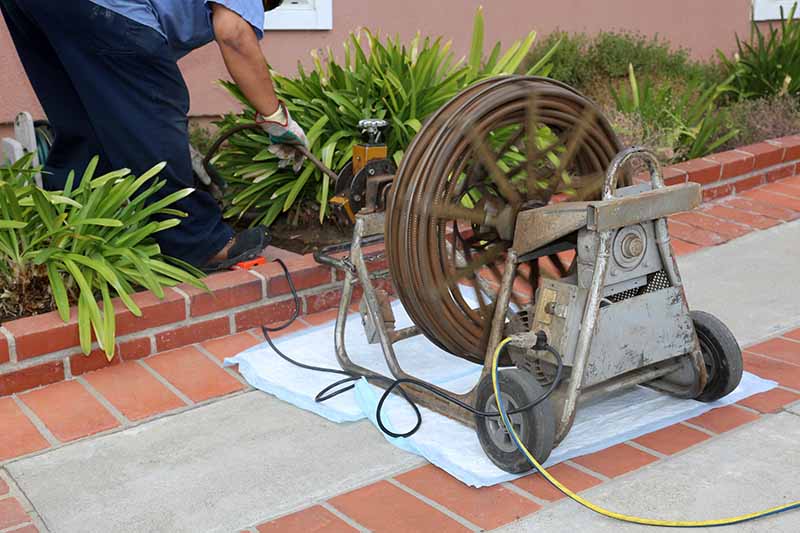
Sewer lines can develop problems for several reasons, including pipe deterioration, shifting soil, root intrusion, corrosion in applicable pipe materials, and physical damage. These issues can interfere with wastewater flow and, if left unaddressed, may contribute to recurring drain blockages, sewage backups, unpleasant odors, or leaks. Identifying the source and extent of the damage is an important step in determining whether a trenchless repair method is appropriate for a particular property.
Traditional sewer line repairs can require excavation along substantial portions of a damaged pipe. Depending on the location and depth of the line, this work may affect driveways, patios, gardens, walkways, and other features above the underground plumbing. Trenchless techniques can reduce the amount of digging required by allowing qualified plumbing professionals to repair or replace certain damaged sections through existing access points or strategically positioned excavations. The suitability of these methods depends on the pipe’s condition, configuration, accessibility, and the nature of the underlying problem.
Toby Thomas, owner of Imperial Plumbing in Denton, Texas, described the practical considerations involved in expanding the company’s existing service. “Trenchless sewer repair gives property owners another option to consider when an underground sewer line needs attention. The appropriate method depends on the condition of the pipe and the requirements of the property,” Thomas said.
One of the methods included in the expanded service is pipe bursting, a technique used to replace an existing underground pipe. During this process, specialized equipment breaks apart or displaces the old pipe while drawing a replacement pipe through the same general path. The method can be useful when a sewer line has sustained damage that makes rehabilitation of the existing pipe unsuitable. Although pipe bursting generally reduces the need for a continuous open trench, access excavations are typically required, and the final approach depends on site conditions and the pipe’s layout.
Cured-in-place pipe lining, commonly known as CIPP lining, offers a different approach. Rather than removing the existing pipe, the process involves placing a resin-saturated liner inside the damaged sewer line. The liner is then cured to form a hardened inner layer that creates a new pipe surface within the existing structure. When conditions are suitable, this technique can restore the pipe’s function without requiring the entire damaged section to be excavated and replaced.
The distinction between these methods is relevant when evaluating a sewer line repair. Pipe bursting replaces the existing pipe, while cured-in-place pipe lining rehabilitates it from within. Neither technique is appropriate for every sewer problem, and the condition of the existing line can influence the available options. A professional assessment can help establish whether a damaged pipe can be lined, requires replacement, or would benefit from another repair method.
The expansion also addresses property maintenance considerations that can become more prominent in the months leading into the holidays. Homeowners may be preparing outdoor spaces for gatherings, completing seasonal maintenance, or seeking to resolve existing plumbing issues before colder temperatures arrive. Limiting unnecessary excavation can help preserve established landscaping and reduce the restoration work associated with certain sewer repairs. For properties with paved driveways, decorative gardens, or other improvements above underground utility lines, the potential to minimize surface disturbance can be an important factor when comparing repair approaches.
Thomas noted that the extent of disruption remains dependent on the circumstances of each project. “The goal is to identify a repair approach that addresses the sewer line problem while taking the surrounding property into account. Pipe condition, access requirements, and the layout of the existing system all affect which method may be suitable,” Thomas said.
Although trenchless sewer repair can reduce excavation, it does not eliminate every form of disruption. Some projects require access pits, equipment placement, temporary restrictions around work areas, or other site preparations. Existing pipe damage, severe deformation, changes in pipe direction, and access limitations can also affect feasibility. An evaluation of the sewer line is therefore necessary before determining the likely scope of work and whether pipe bursting or cured-in-place pipe lining is the appropriate solution.
For residential properties, sewer line problems may appear as repeated drain backups, slow drainage affecting multiple fixtures, sewage odors, or unexplained wet areas in the yard. Commercial properties can experience similar warning signs, with additional operational considerations when plumbing problems affect restrooms, kitchens, or other wastewater-dependent facilities. These symptoms do not necessarily confirm a damaged sewer line, as other plumbing issues can produce comparable effects. Proper diagnosis helps determine whether the problem involves the main sewer line, a branch line, a blockage, or another part of the plumbing system.
Thomas emphasized the importance of evaluating the problem before selecting a repair technique. “A sewer line assessment helps clarify the source of the issue and the options available for addressing it. Understanding those conditions first allows the repair plan to reflect the needs of the property rather than assuming that one method will work in every situation,” Thomas said.
The service expansion reflects Imperial Plumbing’s continued focus on trenchless approaches for underground sewer line repair. By offering both pipe bursting and cured-in-place pipe lining, the company provides options that address different types of pipe damage and repair requirements. The selection between these methods depends on factors such as the severity of deterioration, the existing pipe material, the sewer line’s dimensions and alignment, and the accessibility of the affected section. Project-specific assessment remains essential to establishing the expected work, limitations, and restoration requirements.
As the holiday season approaches and cooler weather becomes a consideration for property maintenance, addressing known sewer line problems can help reduce the risk of continued plumbing disruption. Recurring backups, persistent drainage issues, and other signs of sewer trouble warrant appropriate investigation rather than assumptions about the cause. Where trenchless methods are feasible, they may offer a way to address certain underground pipe problems while preserving more of the surrounding property than extensive excavation would typically allow.
Property owners seeking further information about Imperial Plumbing and its existing trenchless sewer repair services, check more information at https://www.imperialtx.com/services/trenchless-sewer-repair/
###
For more information about Imperial Plumbing, contact the company here:
Imperial Plumbing – Denton, TX
Toby Thomas
(972) 837-7224
Imperial.plumbing.tt@gmail.com
2124 James St #120
Denton, TX 76205


